

Fabric texture can quietly change the entire appearance of an outfit, influencing how colors, shapes, and silhouettes are perceived. Smooth materials often create a polished and structured impression, while rougher or more textured fabrics can make clothing appear softer, fuller, or more visually complex. The way african fabrics combine distinctive patterns with different surface textures shows how material choice can contribute to an outfit’s overall character. Texture can also affect how garments reflect light, hold their shape, and respond to movement, making the same design look noticeably different when produced in a different material. Understanding this relationship helps explain why fabric texture remains an important part of how clothing is designed, styled, and experienced.
How Surface Texture Influences Light
The surface of a fabric affects how light interacts with an outfit. Smooth materials can reflect light more evenly, creating a cleaner and sometimes more polished appearance. Textured surfaces scatter light across their irregularities, producing variations in brightness and shadow. Fabrics with raised patterns, woven surfaces, or subtle ridges can therefore appear more visually complex than flat materials. These differences can influence how the color and overall shape of a garment are perceived.

How Texture Creates Visual Depth
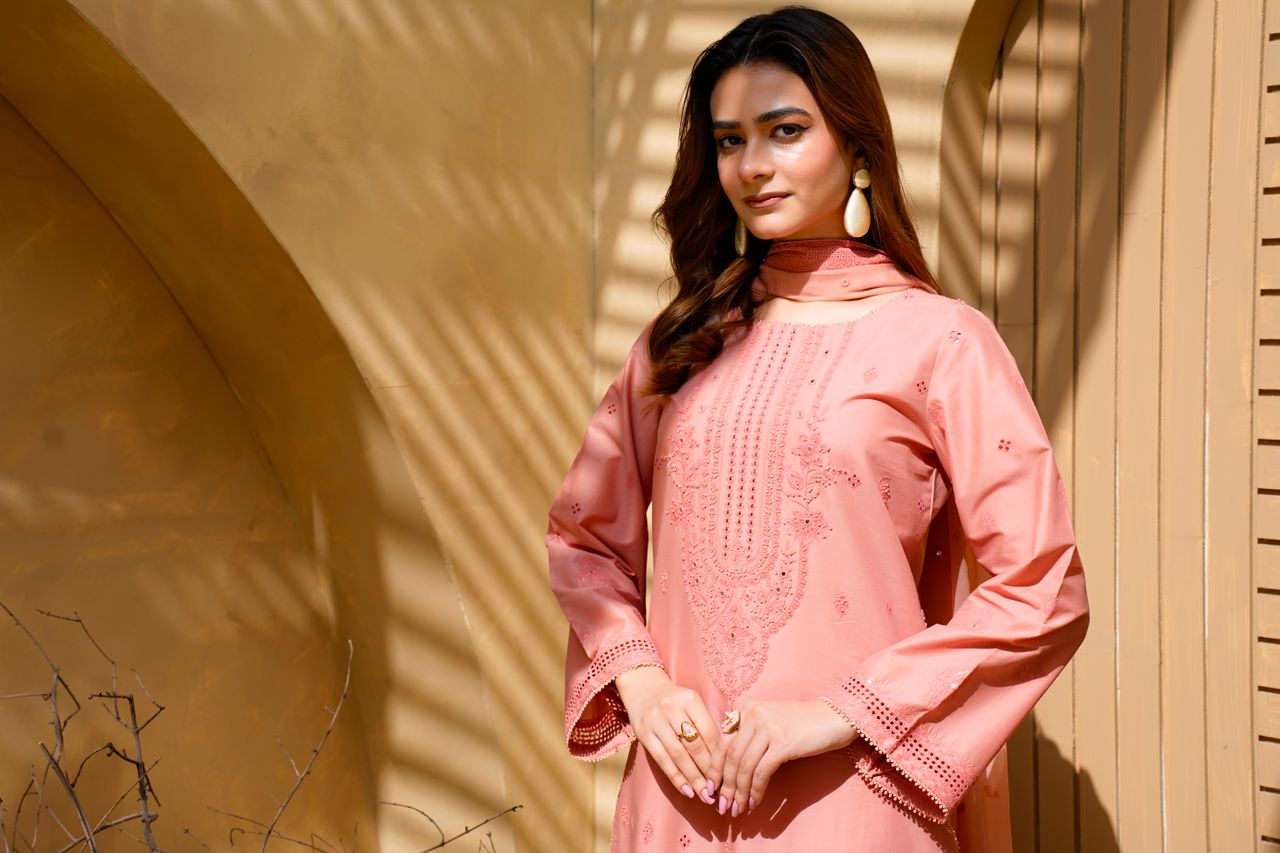
Texture introduces variation that can make an outfit appear more dimensional. Knitted surfaces, embroidery, pleating, velvet, corduroy, and other textured materials alter how light and shadow move across clothing. Even when the color remains consistent, these differences can make certain areas appear more prominent. Designers can use this effect to create contrast between garments or between different sections of the same outfit, giving the overall appearance greater visual complexity.
Why Texture Changes the Perception of Shape
Fabric texture can affect how clearly a garment’s structure is defined. Stiffer materials tend to maintain their shape, allowing seams, folds, and silhouettes to remain pronounced. Softer fabrics can fall closer to the body and create smoother transitions between different parts of an outfit. Heavier textures may also make garments appear more substantial, while lightweight surfaces can create a sense of movement and fluidity. The material therefore contributes directly to the visual interpretation of a garment’s construction.
The Relationship Between Texture and Movement
The way fabric responds to movement also influences how an outfit looks. Lightweight and flexible materials may sway, fold, or ripple as the wearer moves, while structured fabrics tend to maintain a more stable silhouette. Texture can affect this behavior by altering the material’s weight, flexibility, and surface characteristics. Consequently, an outfit may look different when standing still than when in motion, particularly when the fabric has a flowing or highly structured surface.
How Texture Influences Overall Style
Different textures are often associated with different visual qualities because materials carry recognizable characteristics. Smooth fabrics can contribute to a streamlined appearance, while coarse or heavily woven surfaces may create a more tactile and substantial impression. Soft textures can suggest comfort, whereas rigid or sharply structured materials can emphasize form. These associations allow texture to influence the overall style of an outfit even when its silhouette and color remain relatively simple.
Fabric texture changes the appearance of an outfit by influencing light, shape, depth, movement, and the visual associations connected with different materials. Smooth and textured surfaces can make identical garments appear noticeably different because they interact with the body and surrounding light differently. The weight and flexibility of a fabric also affect how a garment behaves while being worn. Texture is therefore more than a physical characteristic of clothing; it is an important design element that helps determine how an outfit is seen and experienced.